✦ Executive Briefing
Natural Capital & Agribusiness Finance
📌 Key Takeaways
- $10M Investment Readiness Target: Kenyan agribusinesses Acacia EPZ and ForestFoods have been selected among five inaugural African enterprises in the Nature-First Innovation Lab (NFIL), targeting $10 million in collective capital mobilization.
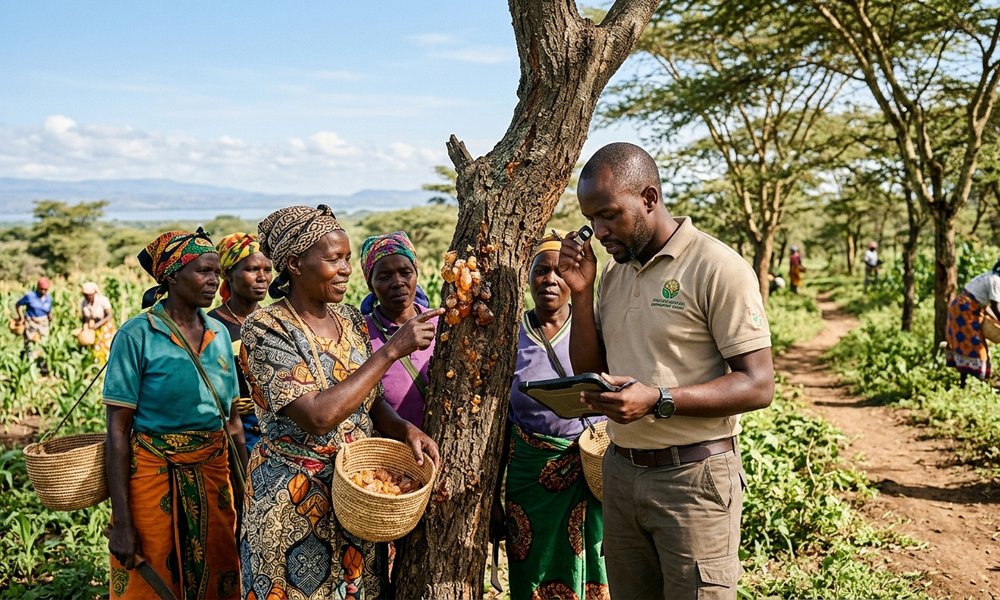
- Conflict-Free Supply Chain Shift: Acacia EPZ—whose gum arabic harvesters are over 70% women—has recorded 56% revenue growth over two years as global beverage and pharmaceutical buyers pivot away from conflict-disrupted Sudanese supply lines.
- Commercial Syntropic Agroforestry: ForestFoods is scaling regenerative farming across Limuru, Naivasha, Naro Moru, and a new site in Shimba Hills, proving biodiversity restoration can drive commercial farm yields.
- Non-Dilutive Institutional Backing: Run by FSD Africa, Systemiq, and the African Natural Capital Alliance (ANCA) with UK and Norad backing, NFIL provides non-equity grants, governance structuring, and investor matchmaking.
Bridging the “Missing Middle” in African Natural Capital
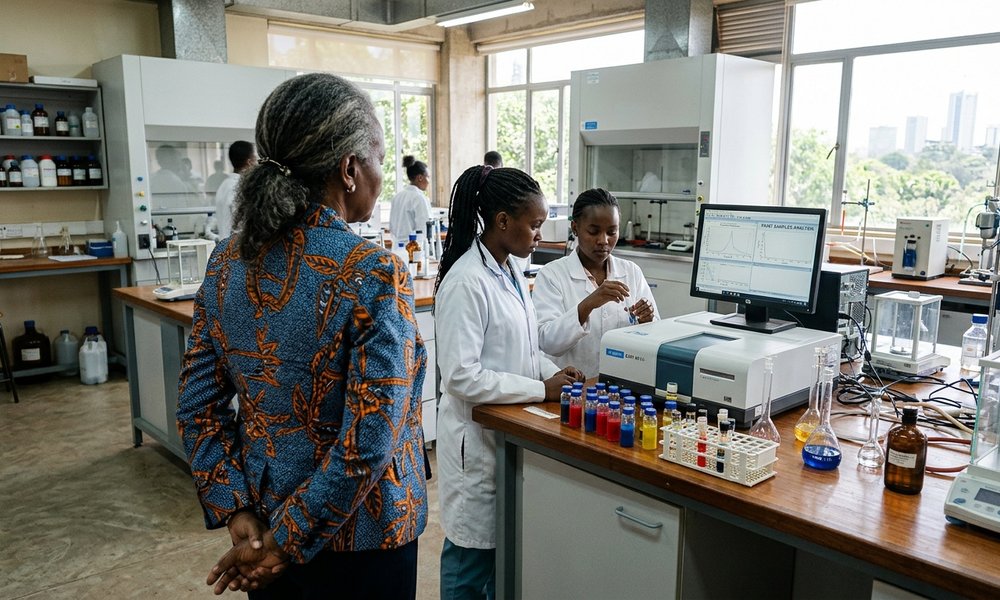
Although FSD Africa and McKinsey Sustainability estimate that 62% of Africa’s GDP depends directly on nature, ecological agribusinesses routinely stall in the financing chasm between early philanthropic grants and institutional venture debt. The launch of the Nature-First Innovation Lab (NFIL) directly addresses this bottleneck by upgrading corporate governance, revenue anchoring, and Taskforce on Nature-related Financial Disclosures (TNFD) metrics without diluting founder equity.
Kenya’s strong showing in the inaugural cohort highlights how domestic enterprises are turning ecological stewardship into competitive export advantages across our Business & Economy landscape. Acacia EPZ has capitalized on global supply-chain realignments caused by the Sudanese conflict to position northern Kenya’s acacia woodlands as a traceable, conflict-free supplier of pharmaceutical- and beverage-grade gum arabic, lifting rural household incomes for thousands of women collectors.
Diaspora Green-Capital & Value-Chain Opportunities
Simultaneously, ForestFoods’ expansion from central highland corridors in Limuru, Naivasha, and Naro Moru to coastal Shimba Hills demonstrates that syntropic agroforestry—integrating multi-strata trees, food crops, and livestock—reduces synthetic fertilizer dependency while restoring degraded soils. Globally, commercial landscape regeneration represents a projected $310 billion investment frontier.
For impact-focused syndicates within the Kenyan Diaspora Network, NFIL’s de-risking framework creates a vetted pipeline for co-investing alongside development finance institutions in profitable, export-ready rural value chains.