Nation Media Group began in 1959 as a small Swahili newspaper bought by the newly installed Aga Khan IV, then grew into East and Central Africa’s largest independent media house. Its story is inseparable from Kenya’s own: the making of a nation, the defence of a public sphere, and now the struggle to preserve that public sphere in a digital, politically pressured age.
From Taifa to Nation
The founding transaction was modest: in 1959, Prince Karim Aga Khan IV bought Taifa, a Kiswahili weekly, from former District Commissioner Charles Hayes and his business partner Althea Tebbut for £10,000. The company behind it, East African Newspapers (Nation Series) Ltd., was formed on April 2, 1959.
Taifa became Taifa Leo in January 1960; the Sunday Nation followed in March and the Daily Nation in October that year. By the time Kenya attained independence in December 1963, the Nation had already established itself as a credible source of news and analysis.
Its founding purpose was more than commercial. NMG describes its origin as an effort to give voice to African Kenyans in the final years of colonial rule, while the Aga Khan’s stated ambition was to help build a free, independent press capable of supporting democratic governance.
A site of national memory
For decades, the Nation was not merely a newspaper; it was part of Kenya’s institutional process. It documented independence, political succession, constitutional change, elections, corruption scandals, war, economic crises, and the everyday lives of a country learning to govern itself.
The Nation Centre in Nairobi became a familiar civic landmark: a place where reporters, editors, photographers, columnists, and broadcasters helped define what Kenyans knew about themselves.
Its influence extended beyond Kenya into Uganda, Tanzania, Rwanda, and South Sudan, making NMG a rare East African institution with regional reach. That scale gave it both editorial power and a commercial burden: it had to sustain printing plants, distribution networks, broadcasting operations, and newsrooms across several markets.
The editors who shaped it
NMG’s identity was built by a succession of editors who turned a colonial-era publication into a national institution.
The point is not that NMG was perfect. It was often contested, sometimes compromised, and always embedded in Kenya’s political economy. But it mattered because it retained enough institutional weight to make power answerable in public.
Graham Rees – Editor-in-Chief
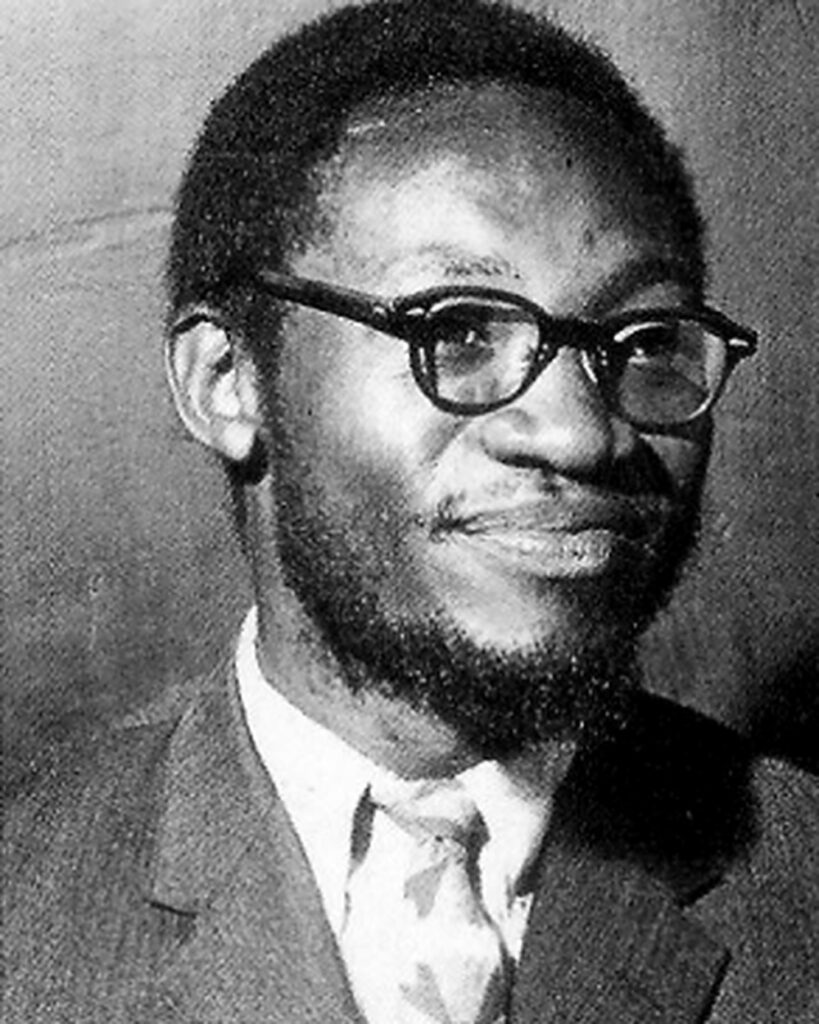
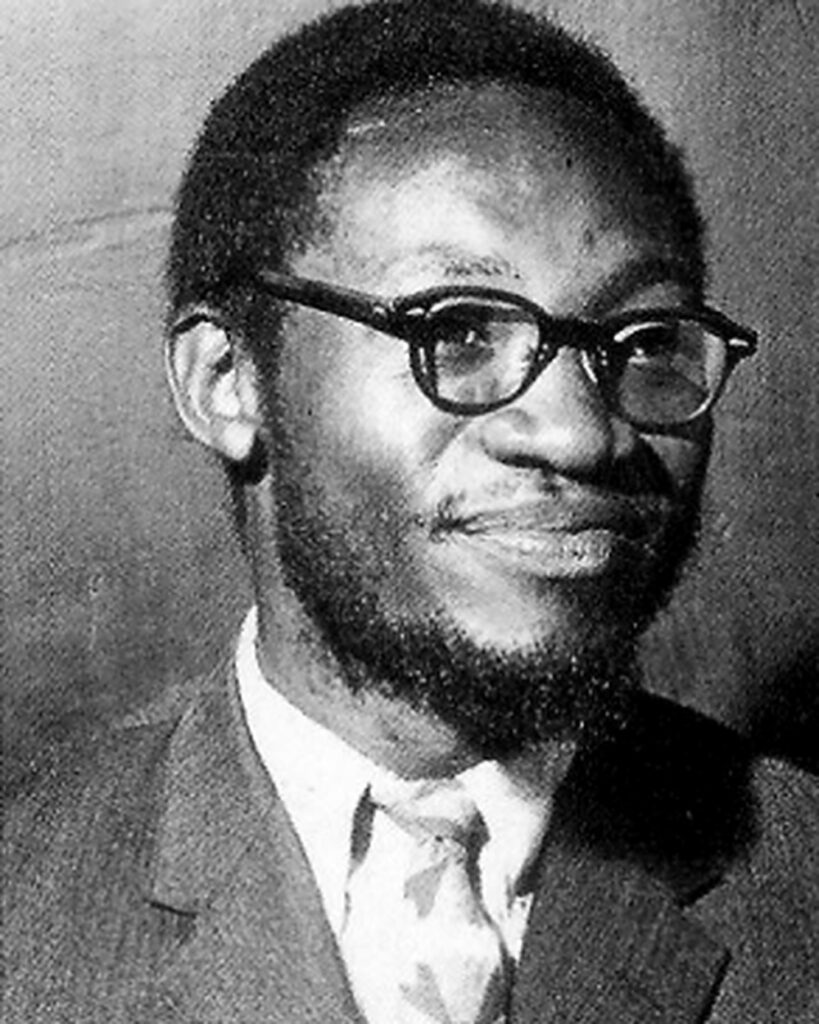
Hilary Ng’weno – Editor-in-Chief (1964 – 1965)
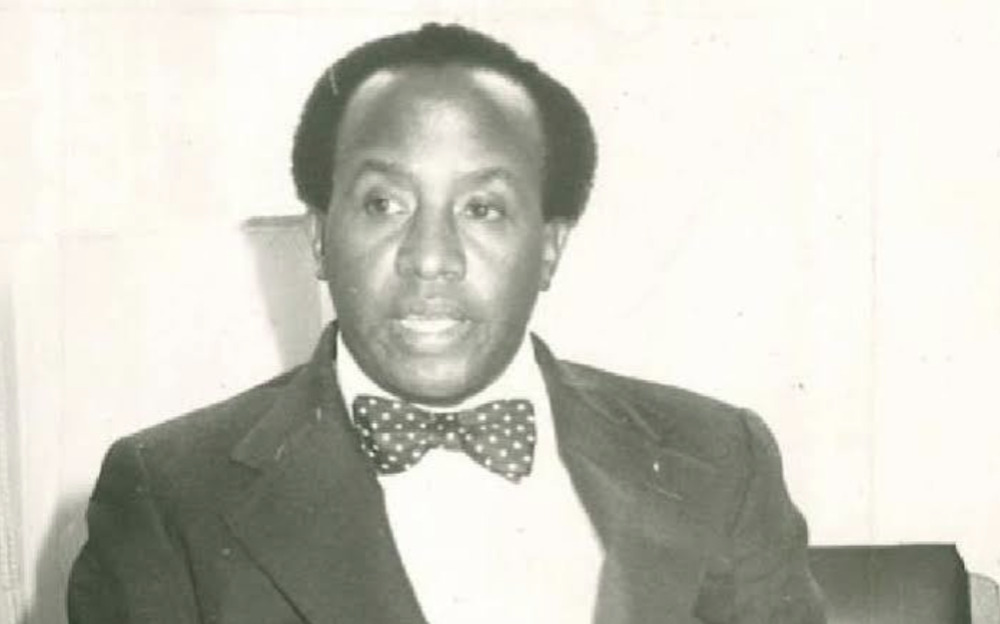
George Githii – Editor-in-Chief (1965 – 1968)
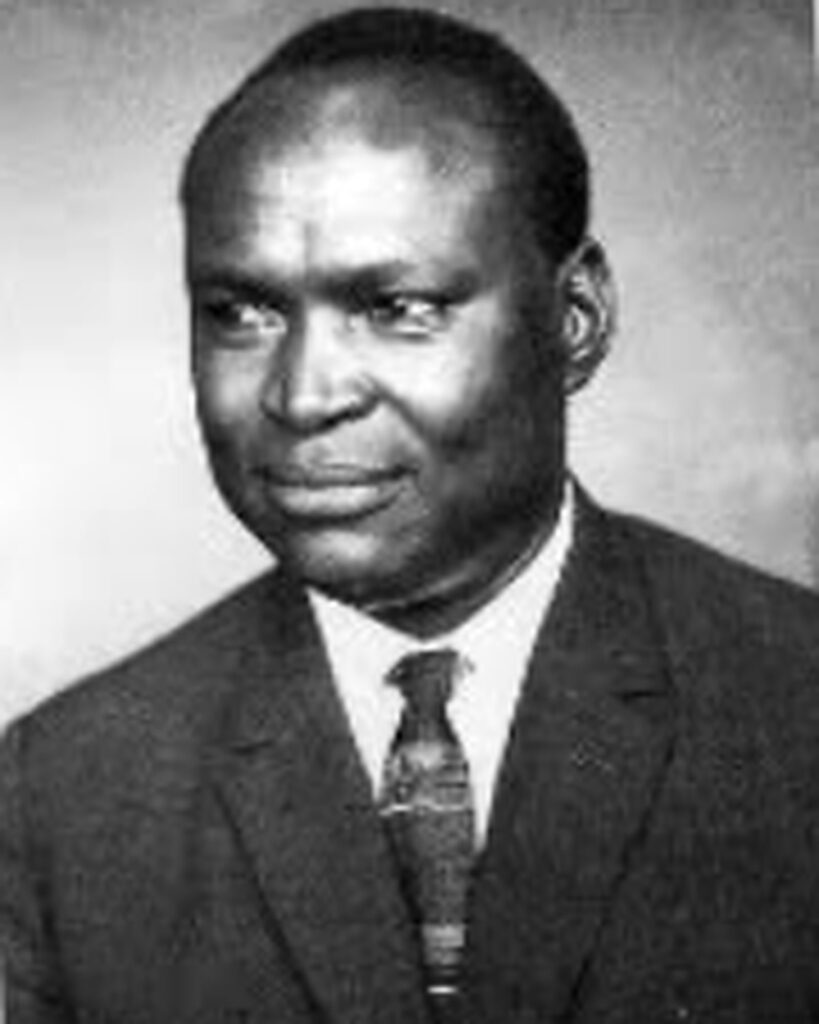
Boaz Omori – Editor-in-Chief (1968 – 1972)
George Githii (2nd stint) – Editor-in-Chief (1972 – 1977)
Joe Rodrigues – Editor-in-Chief (1977 – 1981)
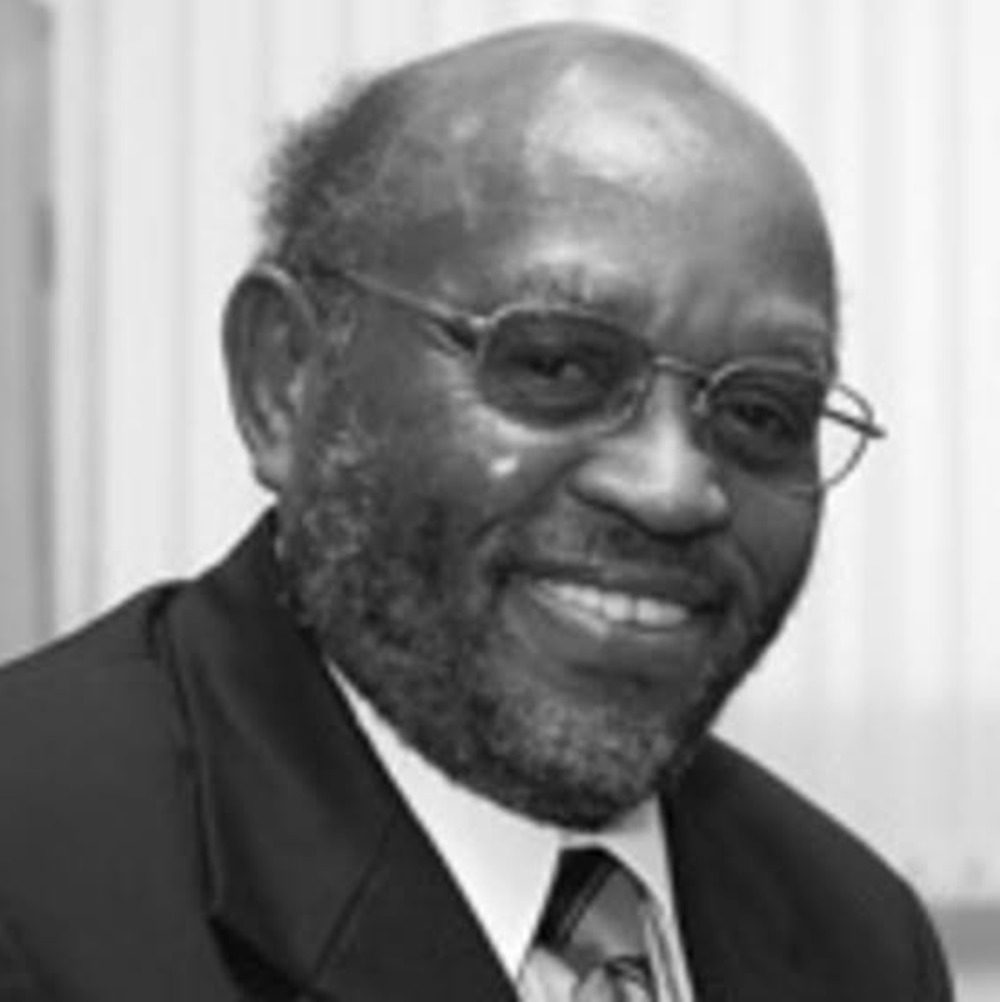
Peter Mwaura – Editor-in-Chief (1981 – mid 80s)
George Mbugguss – Group Managing Editor (mid 80s – 1991)
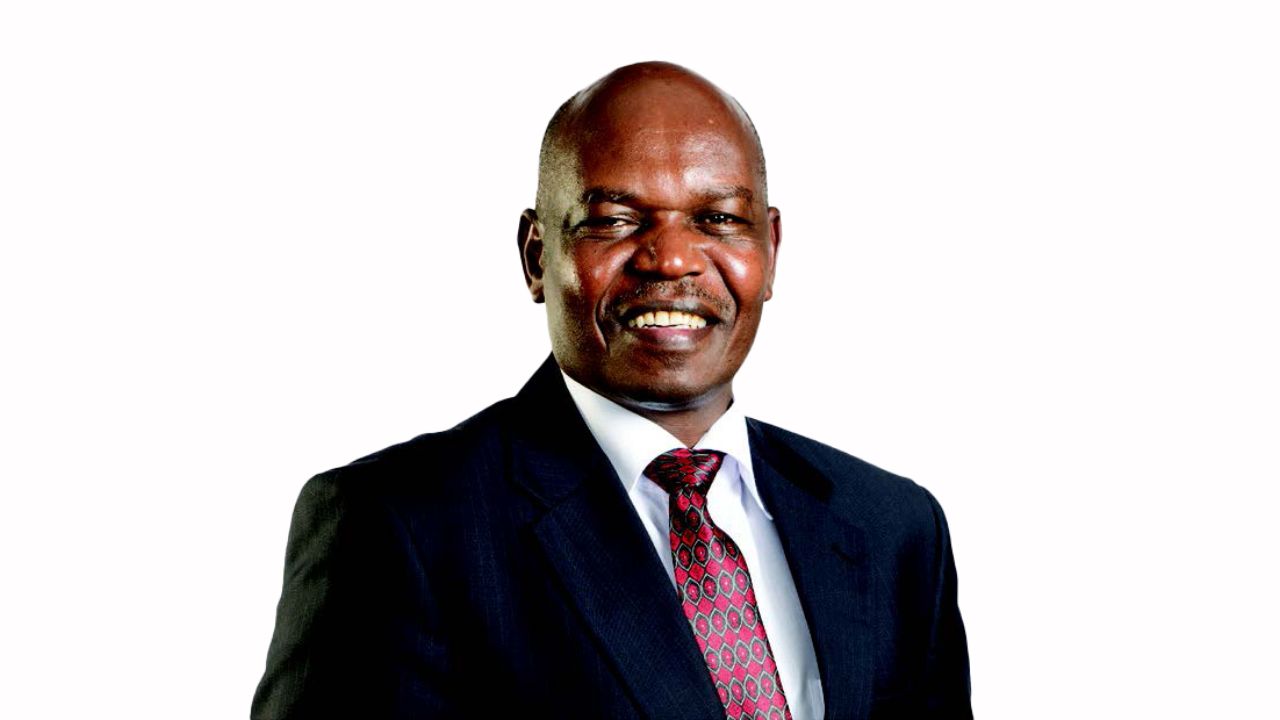
Wangethi Mwangi – Group Editorial Director (1991 – 2009)
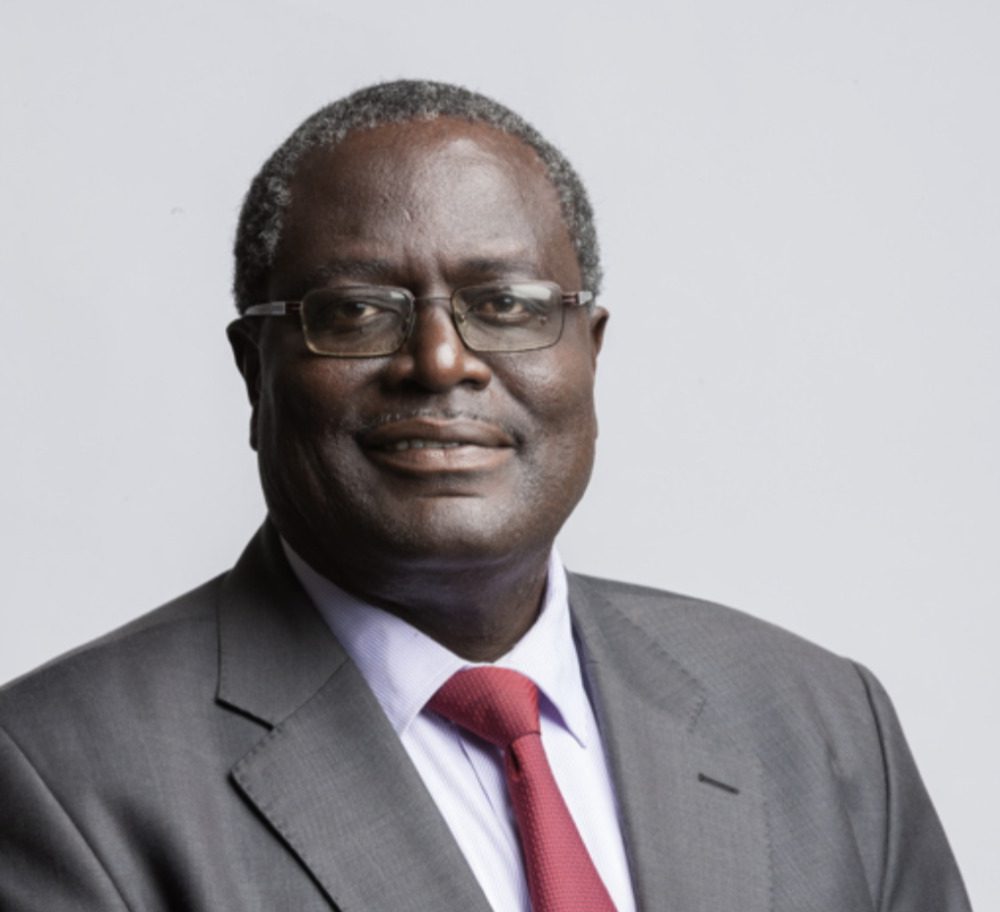
Joseph Odindo – Group Managing Editor, later Group Editorial Director (2009 – 2014)
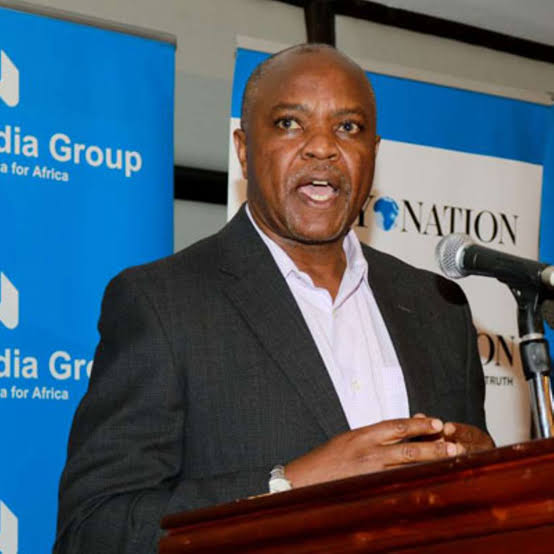
Tom Mshindi – Acting Group Editorial Director (2014 – 2015)
Tom Mshindi – Group Editor-in-Chief (2015 – 2018)
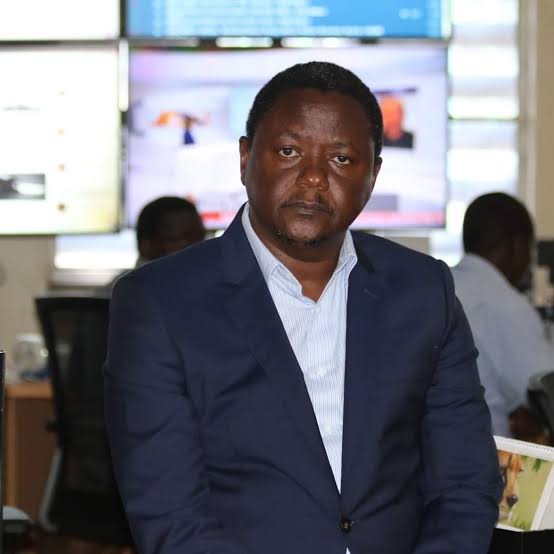
Mutuma Mathiu – Group Editorial Director (2019 – 2022)
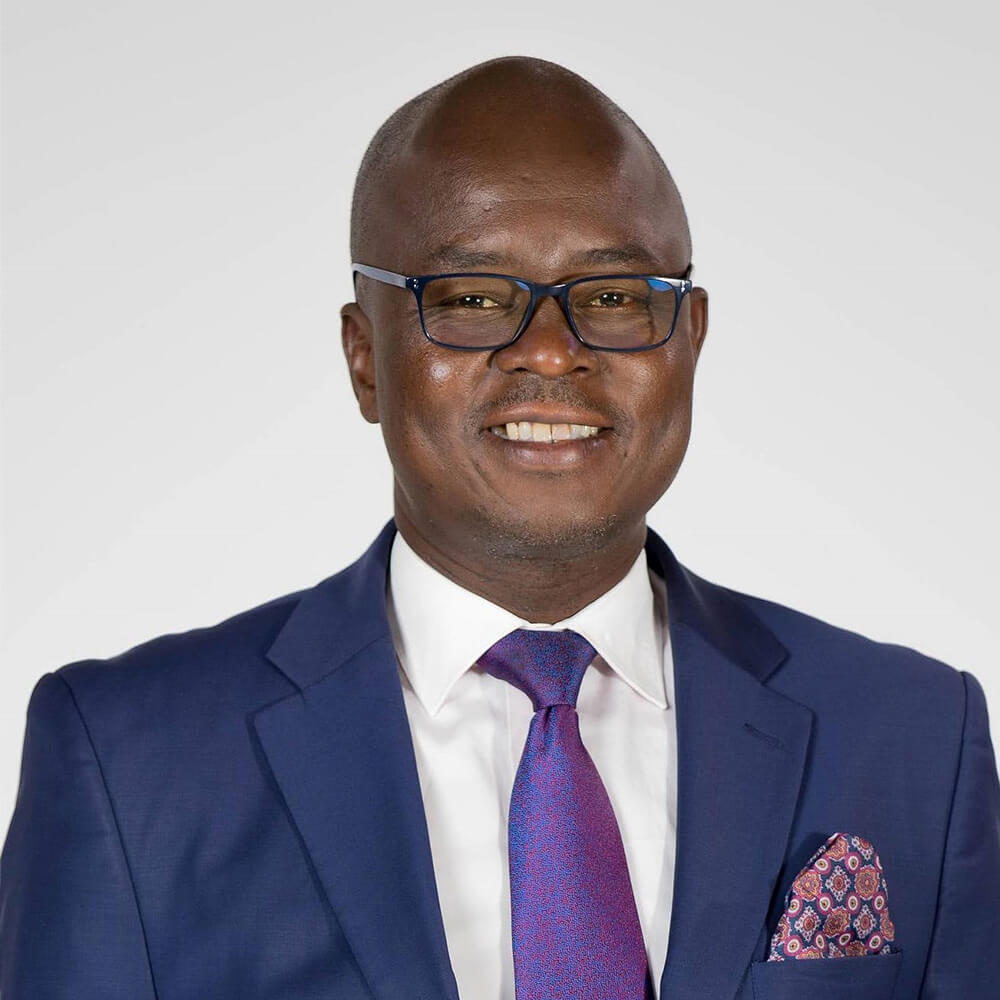
Joe Ageyo – Group Editorial Director, then Editor-in-Chief (2022 – 2026)
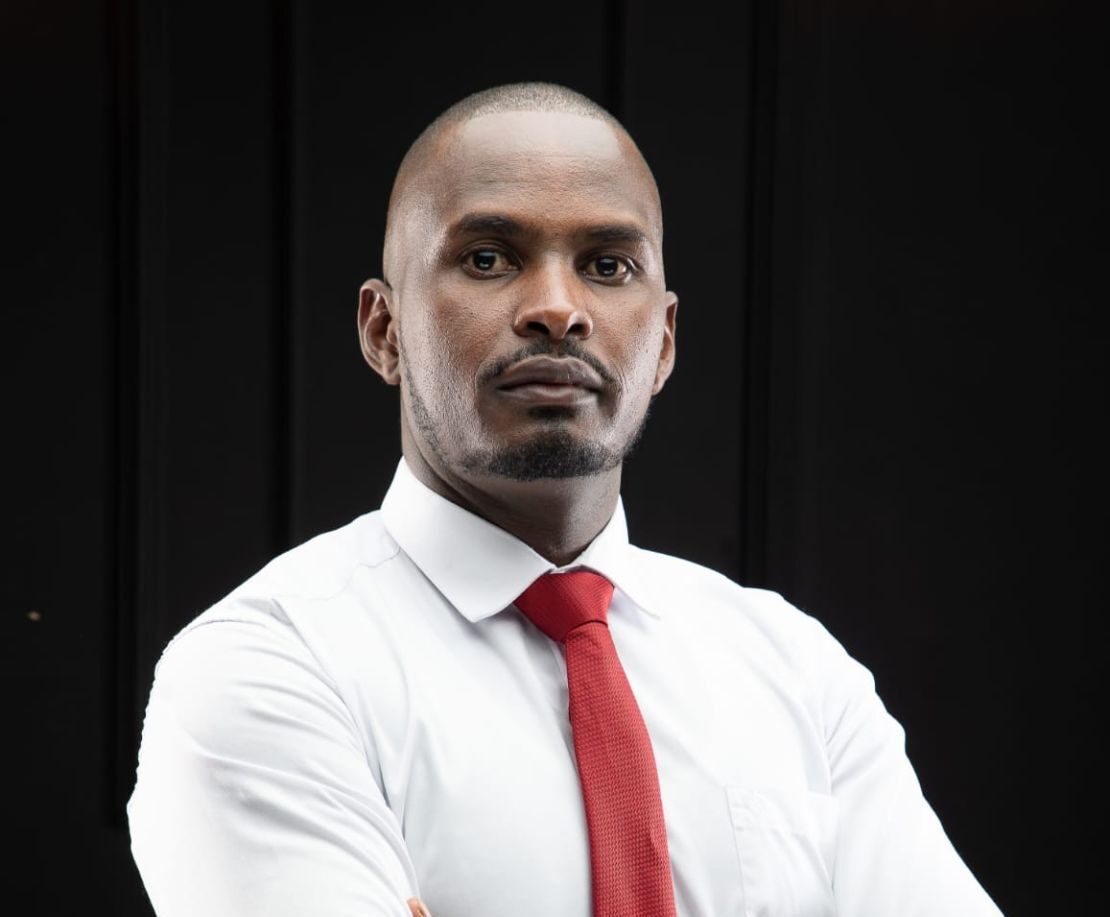
Harry Misiko – Acting Editor-in-Chief – Kenya (2026)