
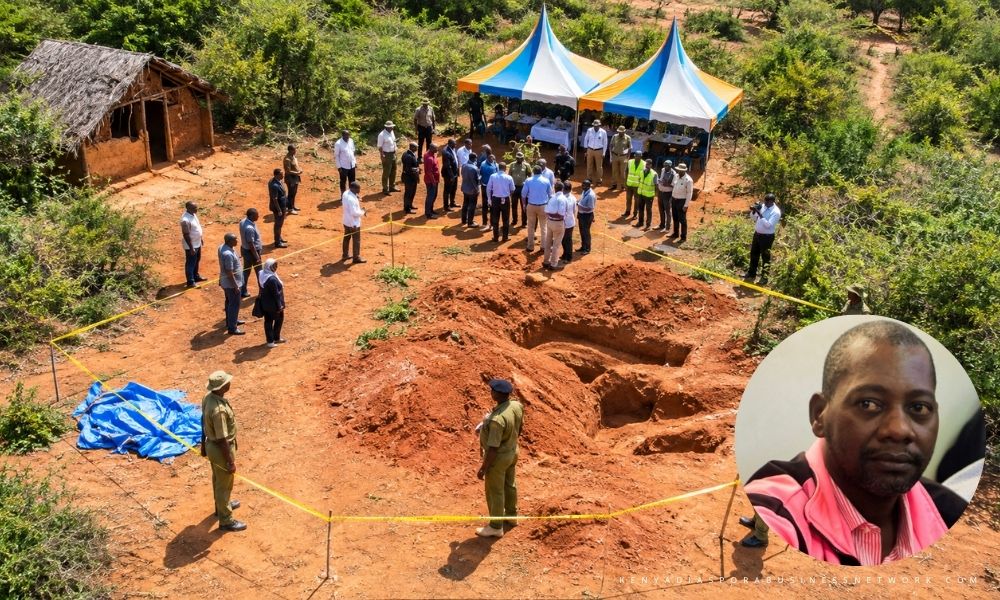
Paul Mackenzie, the self-proclaimed preacher behind the Shakahola forest deaths, will spend the rest of his life in prison. On 6 November 2026 a court in Mombasa sentenced him to 200 years for murdering 190 children and one adult, whom he ordered to starve themselves to “meet Jesus”. Twenty-eight followers who guarded, enforced and buried for him received terms of up to 160 years. Prosecutors wanted the death penalty, and his lawyer plans to appeal. For grieving relatives, the verdict settles one question and leaves another open: police arrested Mackenzie twice before the killings and let him go both times.
Key Takeaways
- 01Two 100-year terms. The Mombasa High Court gave Mackenzie 100 years for homicide and 100 years for starvation-related offences. Justice Diana Mochache said he bore the “primary criminal culpability”.
- 02Most of the victims were children. The court convicted him in October of murdering 190 children and one adult between January 2021 and September 2023.
- 03Twenty-eight followers also face prison. They include guards who enforced the fasting orders and people who dug graves to hide bodies. The longest sentence among them runs 160 years.
- 04No death sentence. Prosecutors asked for one. Kenyan law still allows capital punishment, but the country has not executed anyone since 1987.
- 05The full toll is far higher. Investigators have found 429 bodies, and some victims remain unidentified. Mackenzie also denies manslaughter and terrorism charges in separate cases.
- 06Authorities had two chances to stop him. Police arrested Mackenzie in 2017 on radicalisation charges, which ended in acquittal, and again in 2019 over two child deaths at Shakahola, when a court freed him on bail.
What the Shakahola Sentence Means for Kenya
A 200-year term works as a life sentence for a man who drove a taxi before he started preaching. Prosecutors at the Office of the Director of Public Prosecutions pushed for death, citing the scale of the killing, and asked for life terms for the 28 co-accused because they had been “deeply indoctrinated” and could reoffend. The court chose long fixed terms instead. Kenya has kept the death penalty on its books without using it for almost four decades, so a death sentence would most likely have turned into life imprisonment anyway. The legal story continues: Mackenzie will appeal, and the separate manslaughter and terrorism cases have yet to finish.
By the numbers: the Shakahola case
191 murders in this verdict: 190 children and one adult
429 bodies recovered, according to the KNCHR in 2024
28 co-accused sentenced, with terms of up to 160 years
About 120 prosecution witnesses testified at trial
The verdict holds Mackenzie responsible. It does not explain why he stayed free for so long. He founded Good News International Ministries in 2003, built branches in Nairobi and along the coast, and taught followers that schools and hospitals served the devil. Police knew his name by 2017. In 2019 they arrested him over two child deaths at Shakahola itself, and he walked out on bail. The killings in this case began in January 2021. Francis Wanje, a 62-year-old teacher who lost two grandchildren, told AFP that the sentence eases nothing and that prompt action by the authorities would have prevented the deaths. The Kenya National Commission on Human Rights put the death toll at 429 in 2024 and reported more than 600 people missing.
Officials then turned to a harder question: should the state license churches? A task force formed after Shakahola drafted the Religious Organisations Bill, 2024. It would make every religious group register with a state registrar, win endorsement from an umbrella body, and show at least 25 members, with fines of up to Sh5 million or three years in jail for those that refuse. Supporters say the bill would make it harder for a figure like Mackenzie to operate unseen. Clergy and civil society groups want it shelved, arguing that it would shut out small congregations and hand the state control over worship. Some church leaders, including Bishop Francis Omondi, say Kenya already had the laws it needed and failed to enforce them. Mackenzie’s two earlier arrests support that view.
That gap between rules on paper and rules enforced will sound familiar if you follow Kenyan news from abroad. Nairobi’s collapsed Eastleigh building went up without approvals that officials had the power to demand. Each failure like this chips at the public trust in institutions that investors and families both rely on. In the months ahead, watch three things: the outcome of Mackenzie’s appeal, the fate of the religious organisations bill, and whether the state identifies the remaining Shakahola victims so that families can bury them.
Shakahola Cult Leader Sentencing: Common Questions
Who is Paul Mackenzie?
Paul Mackenzie is a former taxi driver who founded Good News International Ministries in 2003. He led the doomsday group behind the Shakahola forest deaths near Malindi, where he told followers to starve themselves to death.
What sentence did the Shakahola cult leader receive?
On 6 November 2026, the Mombasa High Court sentenced Mackenzie to 200 years in prison: 100 years for homicide and 100 years for starvation-related offences. His 28 co-accused received terms of up to 160 years.
How many people died at Shakahola?
This verdict covers 191 murders, 190 of them children. The Kenya National Commission on Human Rights reported 429 bodies recovered as of 2024, and some victims have not yet been identified.
Why didn’t Mackenzie get the death penalty?
Prosecutors asked for it, but the court chose fixed prison terms. Kenya’s law still provides for the death penalty, though the country has not carried out an execution since 1987.
Is Kenya regulating churches after Shakahola?
A task force drafted the Religious Organisations Bill, 2024, which would require religious groups to register with the state. As of mid-2026 the bill remained a proposal, and religious leaders were pressing the government to shelve it.
This piece draws on reporting by RFI. Read the original report on the Shakahola sentencing. For more coverage, visit our Kenya News and Diaspora sections.


