✦ Executive Briefing
Campaign Finance & Electoral Governance
📌 Key Takeaways
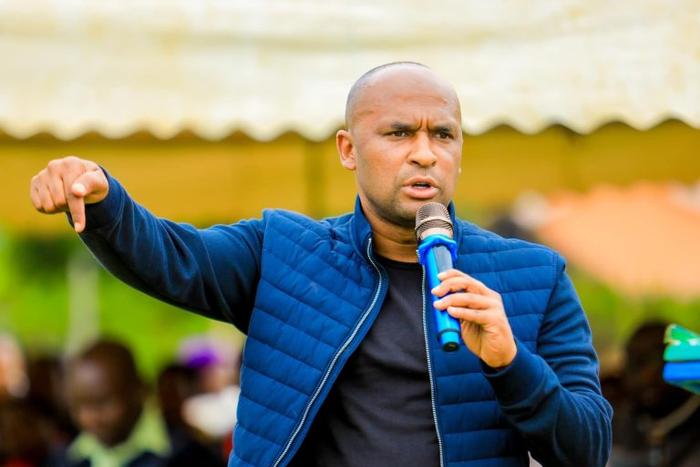
- Ksh.300 Million Constituency War Chest: Speaking on The Obinna Show Live, Nyaribari Chache Member of Parliament Zaheer Jhanda publicly disclosed that he has set aside Ksh.300 million to fund his 2027 re-election campaign.
- Ksh.500 to Ksh.5,000 Per-Voter Handouts: Dismissing traditional Ksh.50 handouts, the first-term Kisii legislator stated that he distributes a minimum of Ksh.500—and typically between Ksh.1,000 and Ksh.5,000—per individual whenever he attends constituency events.
- Stark Contrast with Official Salaries: A Ksh.300 million campaign budget for a single parliamentary seat represents nearly seven times the cumulative gross salary an MP earns over an entire five-year parliamentary term.
- Dormant Campaign Financing Ceilings: The disclosure has reignited national scrutiny over Parliament’s repeated refusal to operationalise IEBC spending limits under the Election Campaign Financing Act.
The Arithmetic of Transactional Politics and Why Campaign Caps Matter
When a sitting Member of Parliament openly states that he has marshalled a Ksh.300 million war chest to defend a single parliamentary seat in 2027—while detailing the minimum cash handouts distributed at weekend rallies and harambees—it strips away any pretence about the commercialisation of Kenyan electoral politics. A Kenyan legislator’s statutory gross pay over a full five-year term totals roughly Ksh.45 million before tax; spending Ksh.300 million to win or retain that same seat creates an inescapable mathematical distortion at the heart of public governance.
Across our Politics & Public Accountability coverage, governance watchdogs have long warned that unbridled campaign expenditure fuels two destructive outcomes: pricing ethical professionals, youth, and women out of parliamentary contests, and incentivising elected officials to recoup campaign outlays through inflated public procurement and compromised legislative oversight.
Enforcing the Election Campaign Financing Act Ahead of 2027
Although Kenya enacted the Election Campaign Financing Act in 2013 to mandate transparent campaign accounts, donor disclosures, and constituency spending ceilings, successive parliaments have blocked the IEBC’s gazetted spending limits ahead of both the 2017 and 2022 General Elections.
For civic reform advocates and members of the Kenyan Diaspora Network who fund grassroots community development and issue-based candidates, shifting voter expectations from weekend cash handouts to audited NG-CDF service delivery is essential to rescuing Kenya’s Electoral Integrity.