The Independent Electoral and Boundaries Commission (IEBC) has stepped up preparations to safeguard the 2027 General Election, calling for closer cooperation among security, justice and other stakeholders to prevent violence and protect the rights of voters and candidates.
IEBC Chairperson Erastus Ethekon reaffirmed the Commission’s commitment to independence, openness and the faithful discharge of its mandate during an Election Security Arrangement Programme (ESAP) Mombasa cluster stakeholder engagement.
Ethekon said no Kenyan should fear participating in an election, urging stakeholders to strengthen cooperation ahead of the 2027 polls.
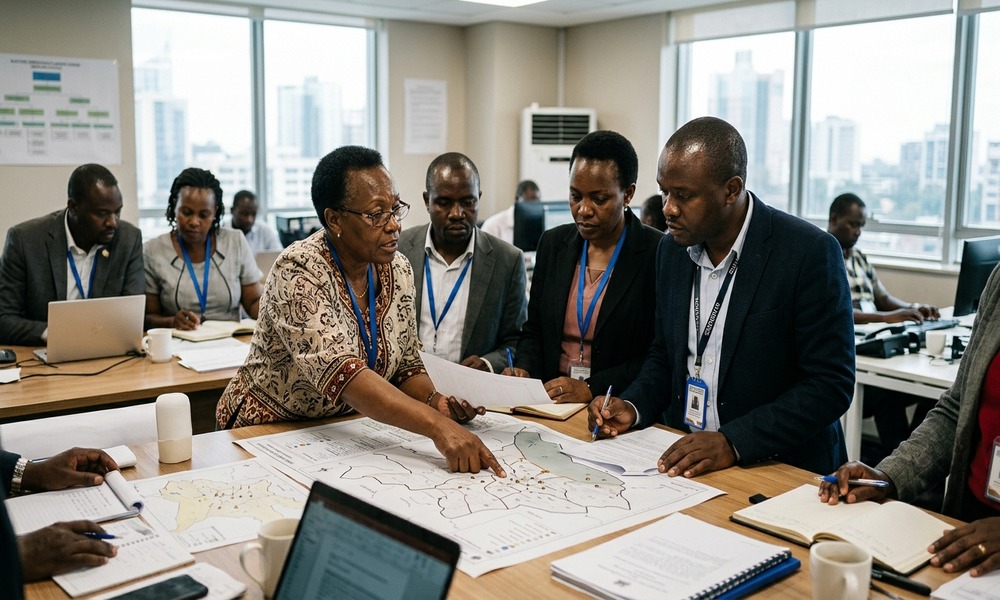
The programme brings together the IEBC, National Police Service, investigative and prosecutorial institutions, oversight bodies and other partners to conduct joint risk assessments, strengthen early-warning systems, coordinate responses and ensure credible investigations of electoral offences.
“Our objective is to prevent violence and protect participation throughout registration, party nominations and campaigns, voting and tallying,” said Ethekon, adding that the message should reach every resident of cosmopolitan Mombasa to help prevent electoral violence that disrupts daily life.
He urged stakeholders to commit to a shared assessment of local electoral risks, clearly define institutional responsibilities and escalation procedures, and establish effective early-warning and rapid-response mechanisms.
“Let us leave with agreed responsibilities and timelines. These commitments should inform joint training, community engagement and coordinated protection of electoral personnel, materials and facilities,” Ethekon said.
Political leaders were encouraged to compete on ideas and reject violence, while the media and digital communicators were urged to verify information and responsibly counter falsehoods.
The security and justice sector was also urged to uphold professionalism, impartiality and accountability, while development partners were asked to support preparations early and complement national funding.
“The credibility of the 2027 General Election will depend on what we do now. Its success rests on all of us,” Ethekon said, noting that the meeting came at a time when Kenyans are questioning their future, institutions and whether their voices will truly count.
He said families were facing economic pressures, young people were demanding opportunities and accountability, while political debate was becoming increasingly intense.
“We must listen, respond honestly and earn public confidence through our conduct,” he said.
The IEBC Chairperson said the Commission remained committed to delivering a credible, inclusive and transparent election in which every eligible Kenyan can participate freely and every valid vote counts.
The Commission called for timely funding and coordinated institutional support as it implements its Election Operations Plan, voter registration and preparations covering electoral operations, technology, personnel and stakeholder engagement.
Ethekon said preparedness must also be measured by the confidence of a first-time voter, the safety of a woman seeking office and the assurance that political competition will be governed by the law.
“Electoral security begins long before polling day and continues after results are declared. That is why the ESAP matters,” he said.
He urged authorities to listen to local concerns and work with trusted community voices before disagreements escalate, noting that young people must be central to efforts to promote peaceful elections because their energy, scrutiny and aspirations can strengthen democracy.
“We must engage young people as partners in a peaceful electoral process, while firmly rejecting attempts to recruit them into intimidation or organised violence,” said Ethekon.
He said electoral risks were evolving, with misinformation, incitement, manipulated digital content and artificial intelligence capable of inflaming tensions rapidly. He also noted that women candidates and other electoral participants face intimidation and gender-based violence.
“Our prevention measures must evolve as quickly as these threats. Joint training, scenario planning, accessible reporting channels and timely public communication will be critical,” Ethekon said.
He further affirmed that electoral security must protect both public safety and constitutional freedoms, stressing that every voter, candidate and political party deserves equal protection. Lawful assembly, expression and political participation must also be respected.
“Violence, intimidation and incitement must be addressed impartially, regardless of who commits or sponsors them. Public confidence grows when institutions demonstrate fairness consistently,” he said.